GET READY, IT’S CRAFTED
Websites. SEO. ADS.
We build digital systems designed to attract demand, convert traffic, and grow businesses — not sit idle.
Strategy First. Design Second
Before we design anything, we map demand. Traffic strategy shapes the website — not the other way around.
GOOGLE ADS
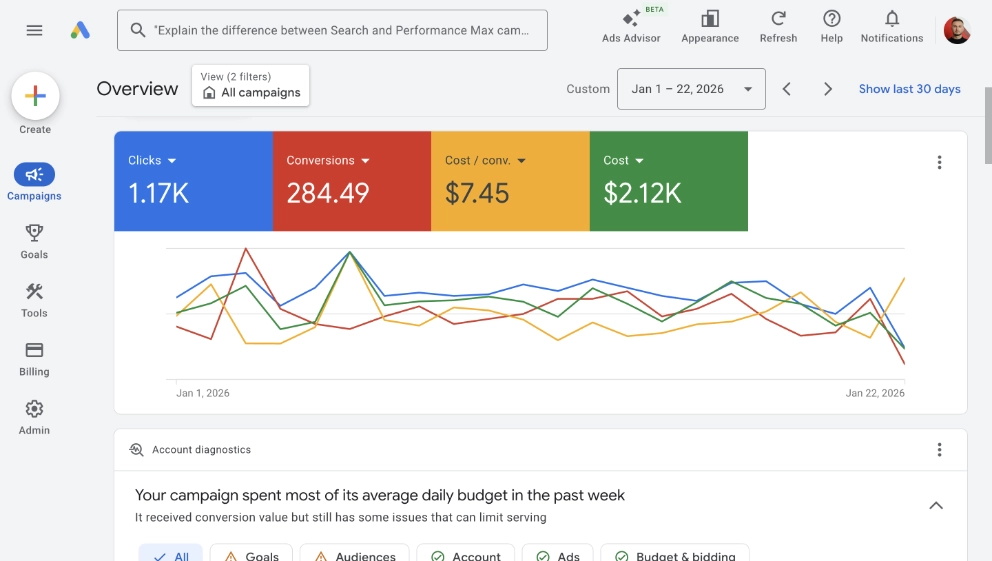
We run ads that actually perform. Click volume isn’t the goal — conversions are. What matters most is the number of leads and their average cost.
Our priority is simple: your business gets high-quality clients at a sustainable price.
SEO
There’s no secret button that instantly sends users to your website from search results. It simply doesn’t exist.
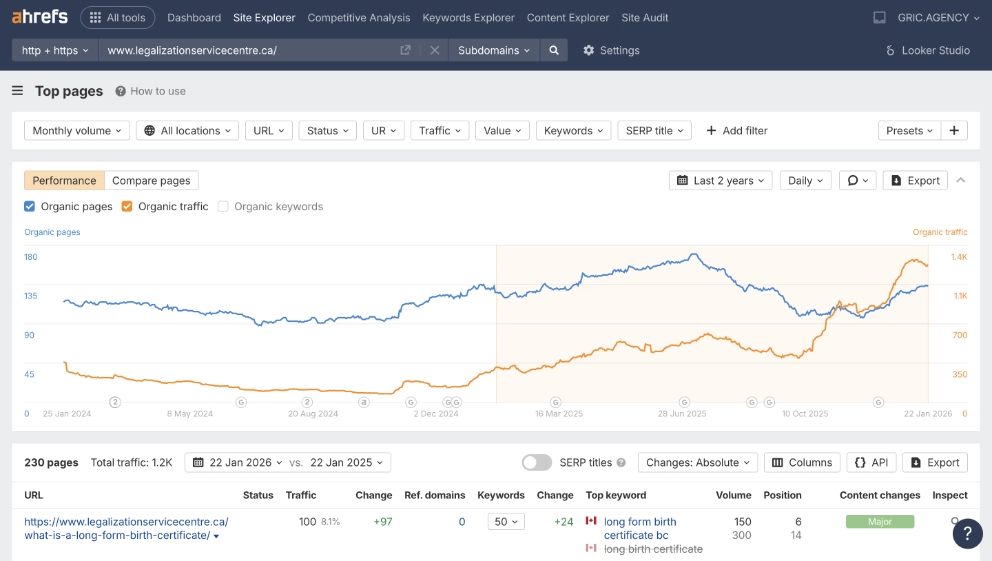
Only solid work matters: technical cleanup, competitor analysis, and content strategy development. From there, we create new pages and articles based on real search demand and strengthen authority through backlinks.
WEB DEV
A high-quality website is the foundation of a business. If visitors don’t like what they see online, they won’t become customers in the real world.
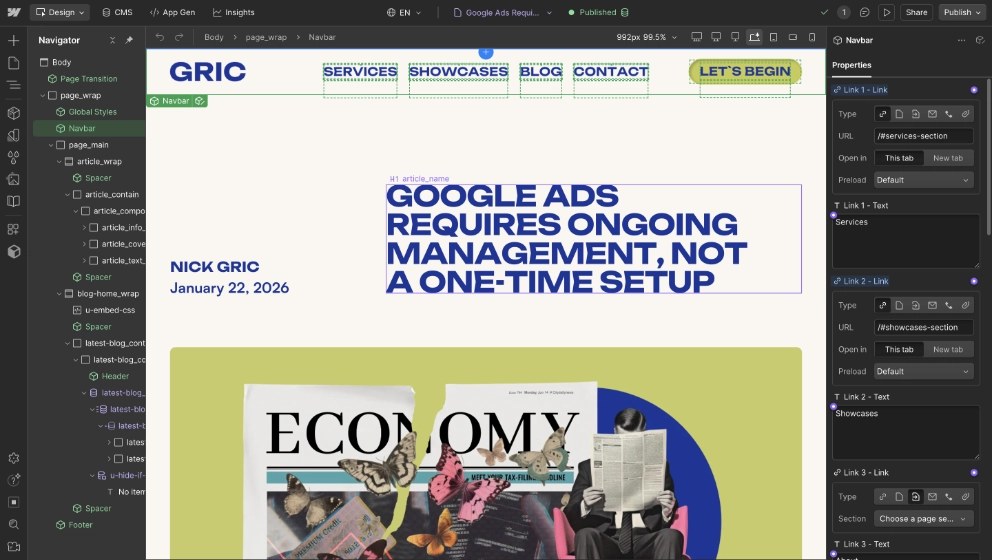
We don’t use pre-built templates: we design everything from the ground up — combining thoughtful design and smart functionality, shaped by traffic sources, internal processes, competitive strengths, and real business needs.
Customer Stories
Thoughts from teams behind the brands we help grow. What clients say after working with us — not before.
I’m very satisfied with working with this company. The team is highly professional and punctual.
Everything went smoothly at all stages — from initial discussions to the final launch. They were always responsive, attentive to details, and delivered exactly what was promised.
Great experience overall. I would definitely recommend them.
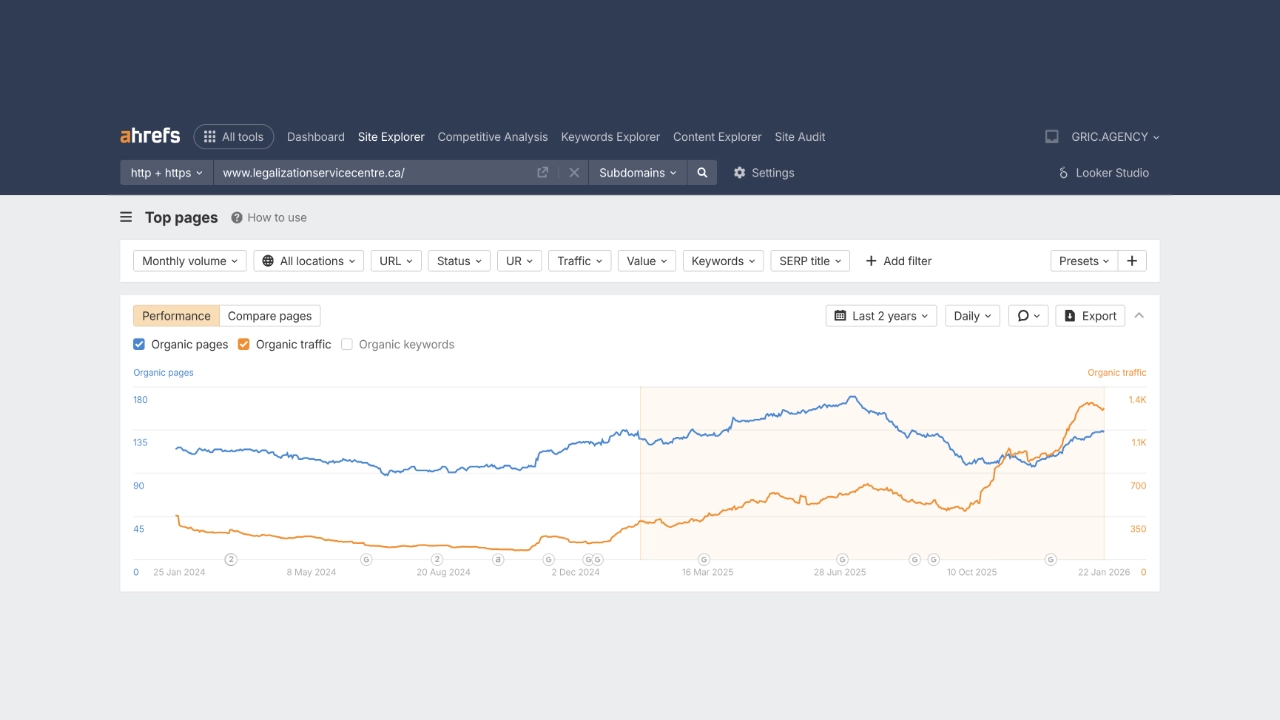
After a year of working with Nick, SEO, not advertising, is the main driver of our business.
Now the company's organic website traffic increased from 80 to 3,800 visitors per month. which has allowed us to significantly reduce the average cost of customer acquisition.
Thank you very much! We definitely do not plan to end such a productive collaboration.
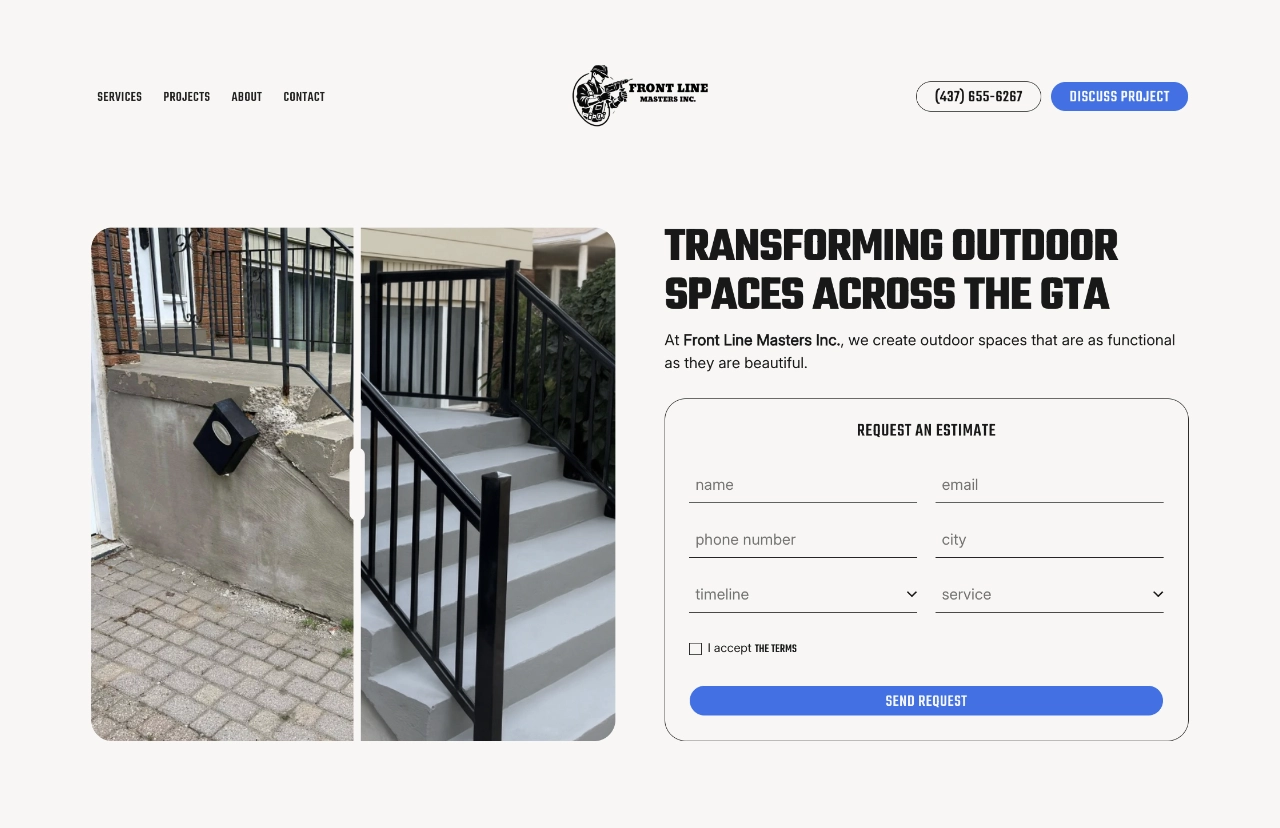
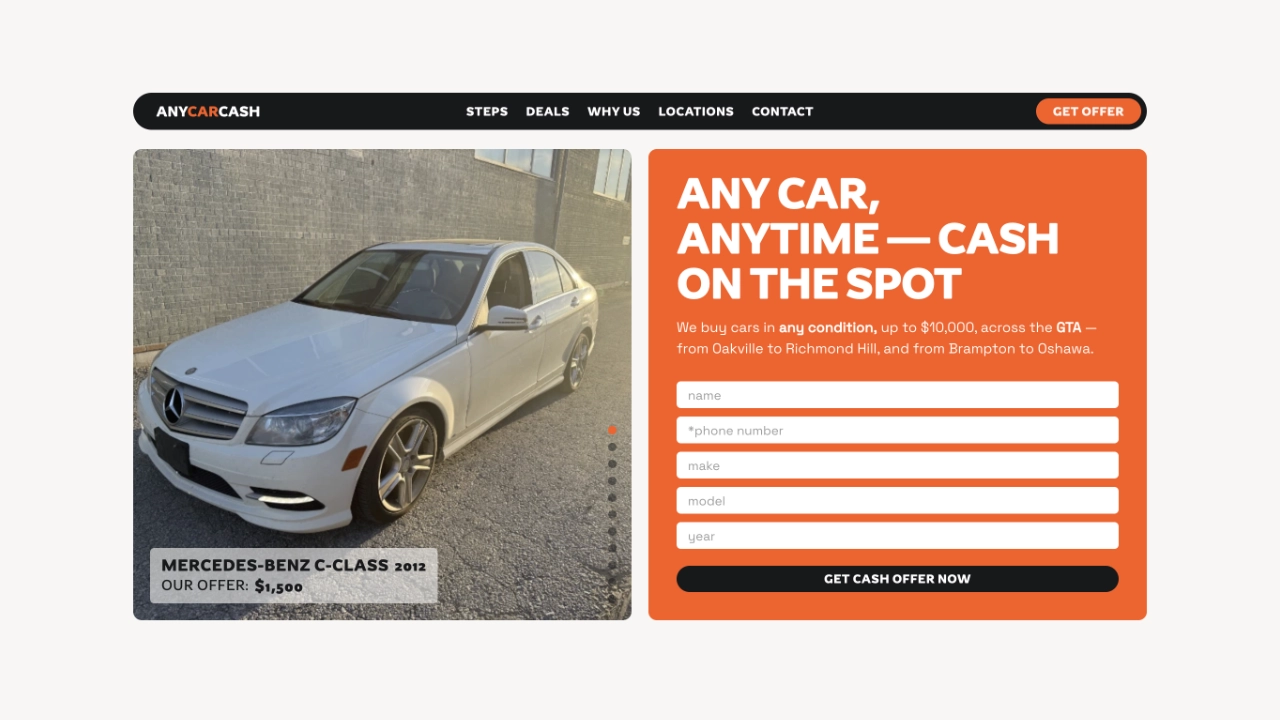
The guys made me a website—everything was clear and professional. They did it on time, took all my wishes into account, and always gave me advice on how to improve it.
I'm really happy with the work, the website turned out great, and my business is booming.
Thank you very much, I highly recommend them!
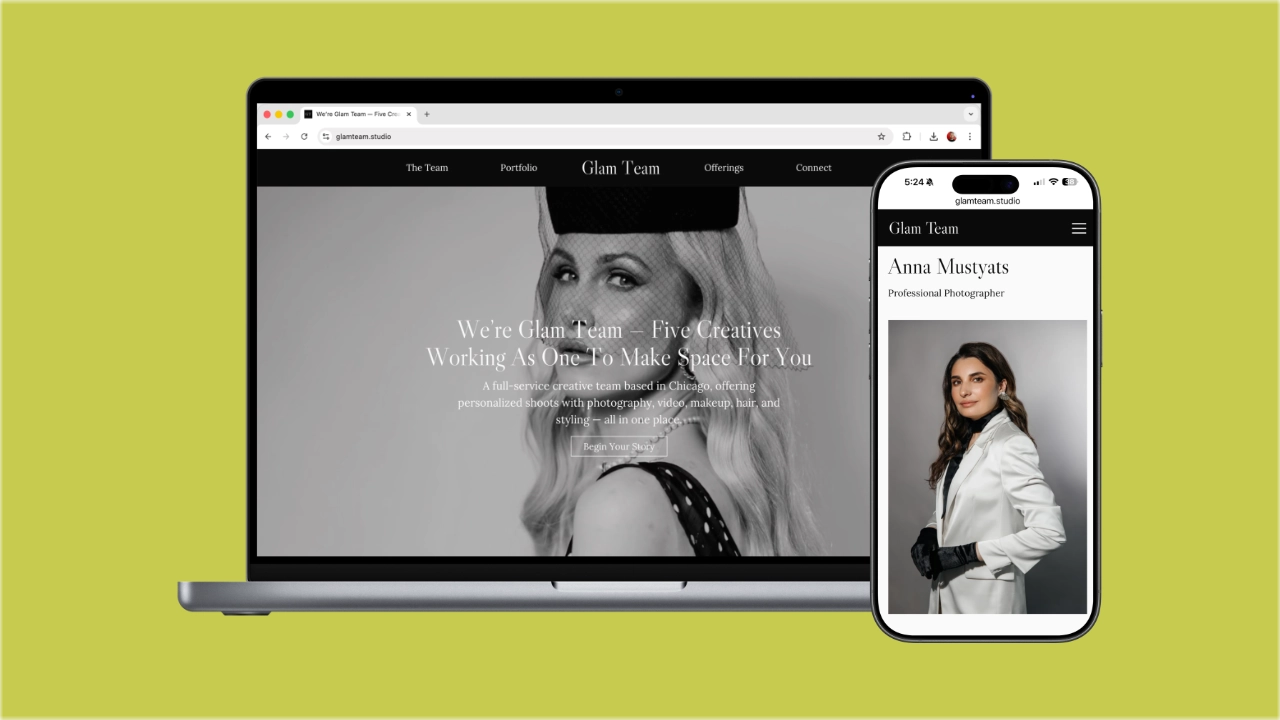
I’d love to leave a big thank you to Anastasia and Nick for creating my website.
I truly loved the design solutions they suggested - everything feels modern, thoughtful, and perfectly aligned with my brand as a photographer focused on women’s sessions. They didn’t just “build a site,” they really helped shape how my work is presented online.
The best part is that the website is already doing its job: I’m successfully receiving inquiries and booking photo sessions through my new, beautiful site.
Working with Anastasia and Nick was easy and professional, and I’m very happy with the result. Highly recommend them to anyone looking for a stylish, well-designed website that actually works.
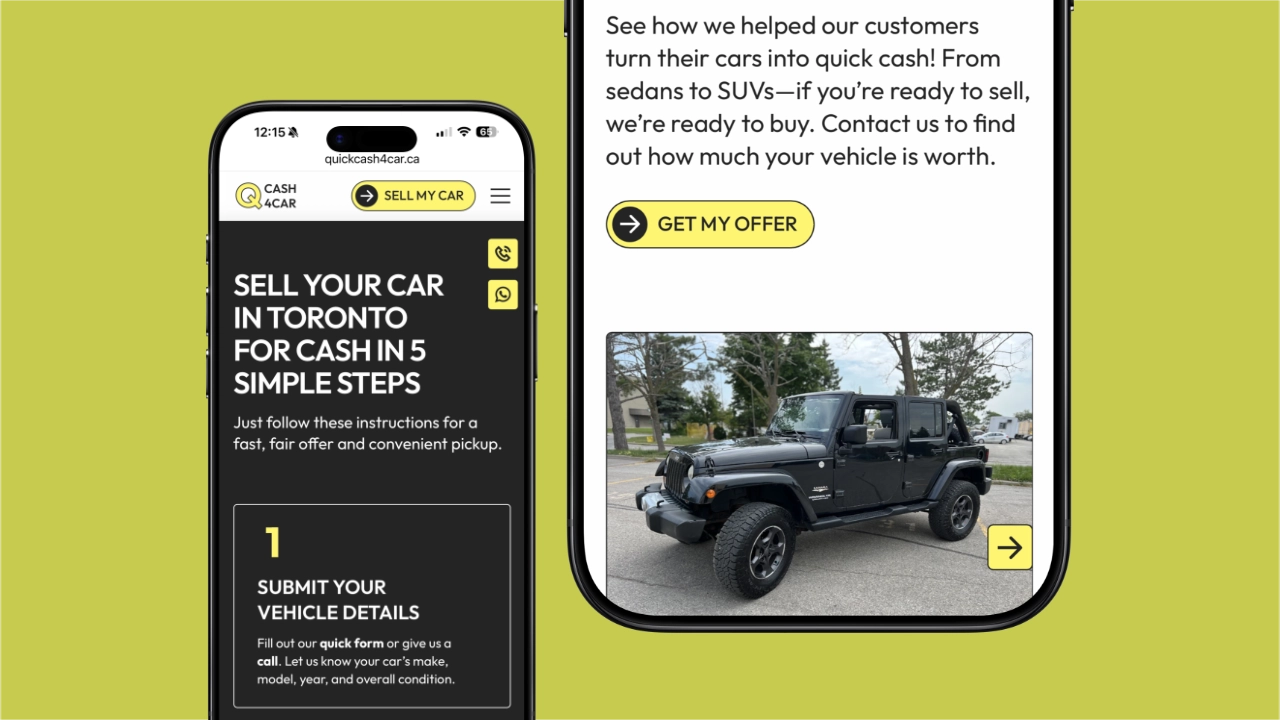
We’ve had a great experience working with this agency.
They handled our Google Ads setup professionally and thoughtfully, taking the time to understand our business goals and target audience. The campaigns are well-structured, optimized, and already bringing noticeable results.
In addition, the website design exceeded our expectations. The team delivered a clean, modern, and user-friendly design that aligns perfectly with our brand. Communication throughout the process was clear and responsive, and all deadlines were met.
Overall, we’re very happy with the collaboration and would confidently recommend this agency to anyone looking for reliable Google Ads management and high-quality web design.
Phenomenal experience working with Nick on the StayRentX website. Excellent communication and top-tier execution. Everything was handled professionally from start to finish. Highly recommended.

When we start building an SEO strategy for a client, the first step is always competitor analysis. Depending on the niche, we usually select 10–20 competitor websites that already attract a meaningful volume of organic traffic from Google and other search engines. Using tools like Ahrefs, we analyze which pages perform best and where that traffic is actually coming from.
This research becomes the foundation for building a semantic tree — a structured map of keywords and topics where each branch represents a strategic direction for organic growth. On one hand, this framework feeds directly into a long-term content plan. On the other hand, it also serves as a blueprint for improving site structure: strengthening navigation around priority services and eliminating orphan pages that dilute SEO value.
Each branch of the semantic tree is then labelled based on the “temperature” of the traffic it is likely to attract — essentially, the user’s intent behind the search. This is where we distinguish between hot, warm, and cold traffic. Let’s break down each category with practical examples.
Hot Traffic: Searching for a Specific Service
Hot traffic typically comes from users who are actively looking for a specific service provider. For example, if a company specializes in legalizing Canadian documents for use abroad, a hot search query might be apostille services in Toronto or document legalization in Ontario.
These queries require well-structured landing pages designed to convert. Such pages should clearly explain the service and process, highlight competitive advantages, showcase trust signals (such as reviews or testimonials), outline service locations, and include multiple ways to get in touch — from inquiry forms to direct contact options.
Clarity is critical. The structure should be easy to understand, and the content should focus on helping the visitor make a confident decision. It’s also important to note that the simpler the service, the less likely users are to browse multiple pages in search of additional information.
Hot traffic is the most valuable from a business perspective — but in competitive niches, achieving top rankings for these queries quickly is extremely difficult. In many cases, it’s nearly impossible without first investing in warm and cold traffic as part of a broader SEO strategy.
Warm Traffic: DIY and “How-To” Searches
Warm traffic comes from users who aren’t looking for a service yet, but instead want to understand how something works. Using the same example, this might include searches for step-by-step instructions on legalizing documents, or questions about which government institutions are involved in the process.
Capturing this traffic requires an actively developed informational blog. High-quality articles that clearly and efficiently answer common questions tend to perform best. In particular, in-depth guides often rank well and maintain stable visibility in Google over time.
Not every visitor who lands on an informational article will convert into a client — some people simply want the information and plan to handle everything themselves. However, users who are unsure or overwhelmed by the process often end up choosing professional help. In complex niches where ranking for hot keywords is unrealistic in the early stages, warm traffic can become a reliable and sustainable source of leads for almost any business.
Cold Traffic: Indirect Search Queries
Cold traffic is usually the easiest to attract — but it’s also the most indirect. In the context of document legalization, these searches might be about the documents themselves: birth certificates, affidavits, powers of attorney, and similar topics.
While the likelihood that such users immediately need legalization services is relatively low, the intent still exists. Ignoring these queries in a comprehensive SEO strategy would be a missed opportunity.
It’s also important to understand how search engines evaluate websites as a whole. Google doesn’t just rank individual pages — it assesses the overall relevance and usefulness of the website. Search engines aren’t interested in promoting businesses for free; that’s what advertising is for. Instead, they prioritize sites that provide genuine value to users, including informational content that answers non-commercial or early-stage queries.
In practice, this broader content ecosystem often pays off. When executed properly, even cold traffic can convert surprisingly well — especially when it supports and strengthens the site’s overall topical authority.
No Big Promises.
Just Solid Work
Thinking Behind the Work
Articles shaped by real client work — what we test, what works, and what doesn’t.



What You Might Be Wondering
Everything clients usually want to know before starting — clearly and without marketing fluff.
Do you work with businesses that already have a website?
Yes — in most cases, we do. We start by reviewing the existing website and assessing what makes the most sense from a time and impact perspective.
If improving the current setup is efficient, we work with it. If fixing structural issues would take longer than rebuilding, we’re honest about that and recommend starting from scratch.
Sometimes clients still choose not to redesign, even after our recommendations — in those cases, we adapt the strategy and work with what’s already in place.
What types of businesses are the best fit for you?
We work with both global companies and businesses operating in the U.S. or Canada, across B2C and B2B. For local businesses, we develop strategies tailored specifically to their market and geography.
The best fit for us is a business with clear, existing demand. Since we focus heavily on SEO and Google Ads, we work with real search intent — not on creating demand from scratch.
We’re not a good fit for “fast and cheap.” We work best with teams that value strategy, consistency, and long-term results.
Do you ever say no to potential clients?
Yes — and we see that as a sign of a healthy partnership. We say no when expectations are unrealistic or when communication becomes unproductive.
We also step back if we believe we can’t deliver meaningful results under the given constraints. Protecting both sides from a poor outcome is part of doing solid work.
Our goal isn’t to take every project — it’s to take the right ones.
How long does it take for ads to start performing?
You can usually expect the first performance signals within the first 1–2 weeks. That period is primarily about learning, testing, and initial optimization.
More stable and predictable results typically appear within 3–6 weeks, once the campaigns have enough data to optimize properly.
Ads can be launched on a new website, an existing one, or on dedicated landing pages built specifically for paid traffic — the approach depends on the situation.
How do you choose which SEO keywords to target first?
We prioritize keywords based on business goals and real commercial value, not just search volume. At the same time, we evaluate competition difficulty against realistic traffic potential.
Our SEO strategy usually combines hot, warm, and cold traffic — service pages, supporting content, and informational articles all play a role.
We don’t chase traffic for the sake of numbers. Even cold-intent content matters, as it increases overall site relevance and strengthens performance across key pages.